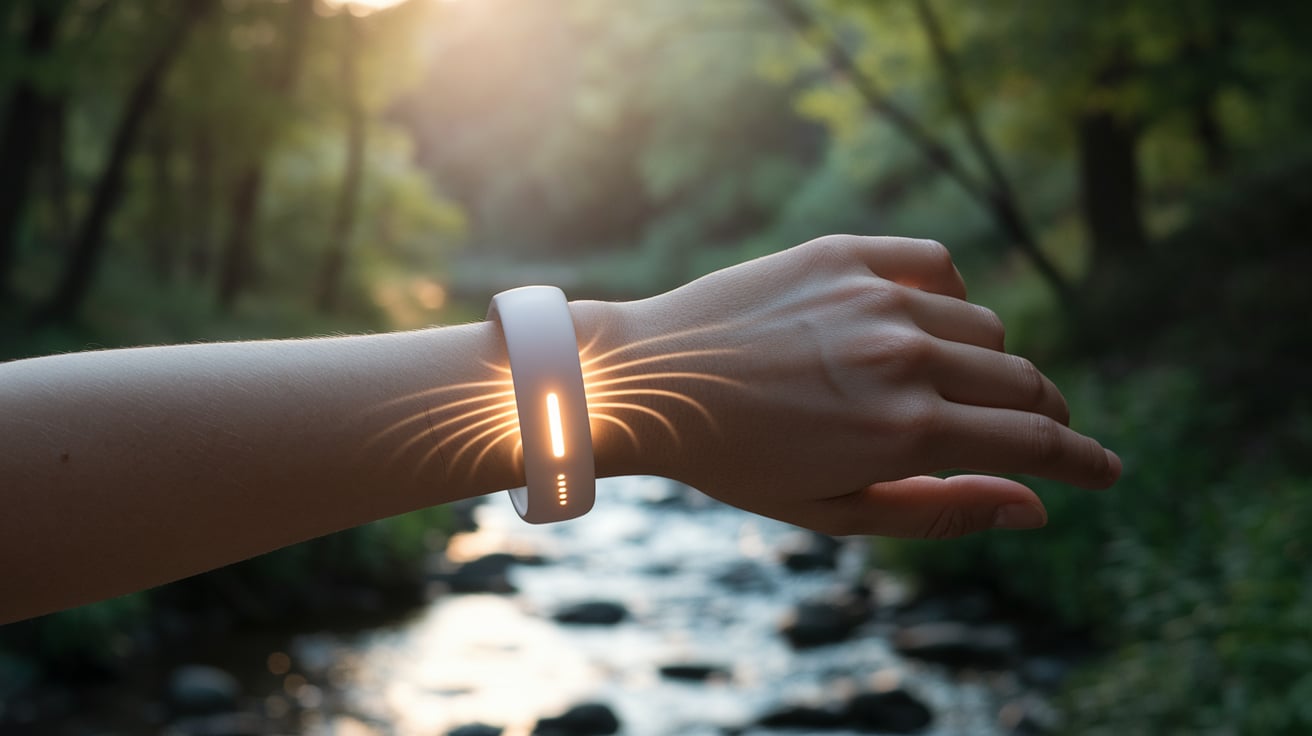

Wearable tech is changing how we approach mental health. From stress to anxiety, these devices offer real support in real-time. With 2025 bringing advanced innovations, the right tools can make managing stress simpler and more effective. In this post, we’ll explore the top wearables designed to help reduce stress, giving you clear insights into which ones might best suit your needs.
How Wearable Technology Supports Mental Health
Wearable technology is proving to be more than a fitness tracker. It's becoming a valuable companion in managing mental health, particularly stress. With the ability to monitor key health metrics, these devices provide insights that help users take control of their well-being. Here's how wearable tech is closing the gap between technology and mental health.
Key Metrics Monitored by Wearables for Stress Management
The effectiveness of wearable devices starts with the metrics they track. By paying attention to the right signals, wearables can paint a detailed picture of your mental state. These are some of the key metrics used for stress monitoring:
Heart Rate and Heart Rate Variability (HRV): Wearables monitor your heart rate throughout the day. HRV, the time between heartbeats, is an especially sensitive marker for stress—lower HRV often indicates higher stress levels.
Sleep Patterns: Poor sleep can worsen stress and mental health. Wearable devices track sleep stages (light, deep, and REM) to identify disruptions and help improve sleep hygiene.
Stress Levels: Many devices now analyze stress using a combination of biometric data and algorithms. This feature lets you know when your body is under strain.
Activity Levels and Movement: Long periods of inactivity can impact your mood. Wearables promote regular movement, which is essential for reducing stress.
By combining these metrics, wearable tech gives users a holistic view of their mental well-being. It’s like having a coach in your pocket, guiding you toward better health.
Advancements in Sensor Technology
Wearable technology has come a long way, thanks to breakthroughs in sensor technology. Sensors make the tracking process accurate, seamless, and meaningful. Today’s wearables go well beyond just counting steps.
Skin Sensors: These sensors measure electrodermal activity (EDA), which tracks tiny changes in sweat levels. Your skin’s response can reflect your emotional state, making it particularly useful for detecting moments of stress.
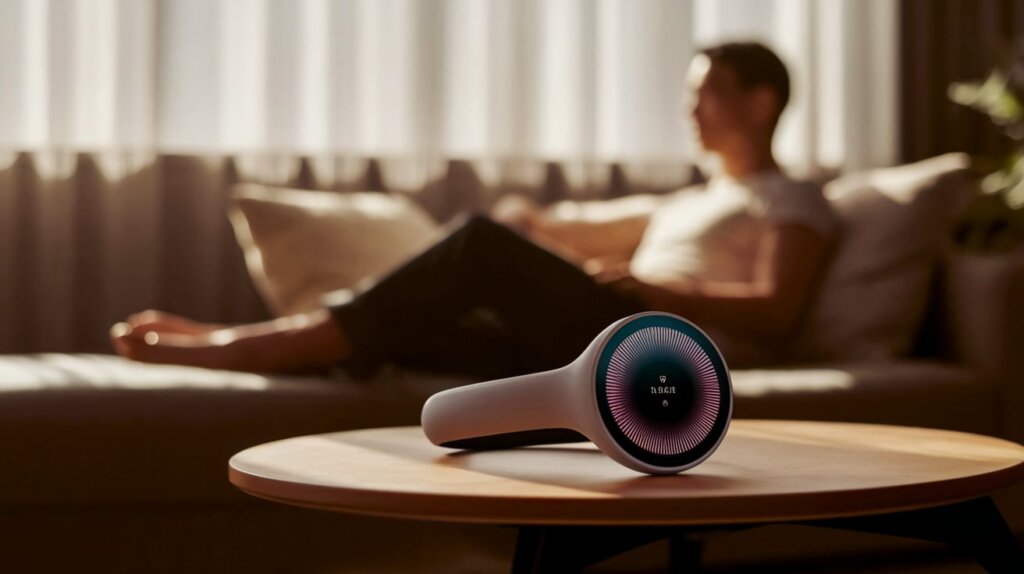
Temperature Sensors: Some devices monitor skin temperature to provide more context about stress triggers. A temperature spike can sometimes indicate emotional or physical strain.
AI-Powered Analytics: Advanced wearables use artificial intelligence to analyze multiple data points. For instance, AI can combine heart rate, HRV, and sleep data to provide deeper insights about stress patterns and suggest lifestyle adjustments.
With these innovations, wearables don’t just track—they analyze and interpret data so users can take smarter actions for their mental health.
Benefits of Wearable Stress Management Tools
Mental health awareness is growing, and wearable tech plays a significant role in helping people manage stress. Here’s what makes these tools so useful:
Real-Time Feedback: Wearables give instant updates on your stress levels, so you can react in the moment. Feeling overwhelmed? A gentle reminder to practice deep breathing can make a difference.
Data-Driven Insights: Over time, devices create a detailed history of your stress patterns and triggers. This helps you spot trends and avoid behaviors or situations that raise stress levels.
Encourages Self-Care: Wearables empower users to take control. Whether it’s improving sleep, meditating, or exercising, these tools push you toward healthier habits.
Personalized Recommendations: Many devices now offer tailored advice based on your data. This personal touch makes stress management less of a one-size-fits-all solution.
Wearable stress management isn’t just about tracking. It’s about helping users feel seen, supported, and in control. They bridge the gap between awareness and action in a way that’s intuitive and accessible.
By offering insights and accountability, today’s wearables are changing how mental health is managed. Want to track stress or enhance your emotional resilience? The right device could be your new best friend.
Top Mental Health Devices for Stress Management in 2025
As technology continues to improve, wearable devices for mental health are becoming smarter, more effective, and highly practical. The 2025 lineup of mental health wearables brings exciting innovations, especially for stress management. With features like advanced biometrics and personalized insights, these devices make a big difference in everyday wellness. Below, we’re diving into some of the best options available this year.
Apple Watch Series (2025 Update)
The latest Apple Watch continues to lead the pack with its dedicated focus on health and stress management. What sets the 2025 model apart is its upgraded heart monitoring technology that tracks real-time fluctuations in heart rate and HRV (Heart Rate Variability). With this data, users can quickly identify times of heightened stress and take immediate action.
Mindfulness takes center stage with the expanded Breathe and Mindfulness apps, integrated seamlessly into Apple's ecosystem. These apps offer tailored breathing exercises, short meditations, and even haptic reminders to pause during stressful moments. Additionally, the new mental health-focused widgets allow users to glance at stress levels, sleep scores, and activity goals—making the experience easy and intuitive.
Apple's tight integration across its platforms, like syncing with the Health app on iOS, ensures a seamless flow of stress data alongside other health metrics. Whether you’re managing deadlines or working on personal goals, the 2025 Apple Watch acts like a calming safety net for your mental well-being.
Fitbit Sense 3
Fitbit's Sense 3 builds on its reputation as a stress management champion. What stands out most is the improved EDA (Electrodermal Activity) sensor, which measures small changes in sweat production to detect stress. Combined with continuous heart rate monitoring and refined sleep analytics, it’s a powerhouse for understanding how your body and mind respond to life’s pressures.
One of the newest enhancements is the Stress Management Score, which combines multiple data points—such as HRV, sleep, and activity levels—into an easy-to-understand score. The device doesn’t just stop at tracking; it also provides actionable recommendations, such as guided mindfulness practices or reminders to stay hydrated.
Fitbit Sense 3 also introduces personalized sleep coaching for better rest, which is crucial for reducing overall stress. Paired with Fitbit’s reliable app, the Sense 3 delivers a strong balance between function and usability.
Garmin Venu 3
Garmin might be better known for fitness trackers, but the Venu 3 steps up its mental health game in 2025. It blends fitness tools with stress and mindfulness support, creating a well-rounded experience for wellness enthusiasts.
Garmin’s Body Battery feature remains a favorite, giving users a snapshot of energy levels throughout the day. This feature is particularly effective in determining how sleep, stress, and activity impact your readiness to tackle the day. The Venu 3 also includes dedicated mindfulness exercises, such as guided breathing sessions, to ease your mind during challenging moments.
Beyond stress management, Garmin’s fitness-first approach ties mental health to physical activity. Whether it’s tracking your morning yoga session or your evening run, the device ensures that every activity helps reduce anxiety and maintain balance. If you’re fitness-focused but still want tools for managing stress, the Venu 3 offers the best of both worlds.
Whoop 5.0
Whoop 5.0 takes a more recovery-driven angle for stress management, making it an appealing option for those who thrive on detailed data. Its core feature is HRV monitoring, paired with personalized coaching insights that help users optimize recovery and identify triggers of stress.
Unlike traditional wearables, Whoop’s subscription-based model gives access to in-depth analytics that go far beyond numbers. It’s perfect for individuals looking to dig deep into their data to fine-tune habits and lifestyle choices. Whoop also provides a Stress Monitor, a real-time feature showing how your body reacts to daily changes, step-by-step.
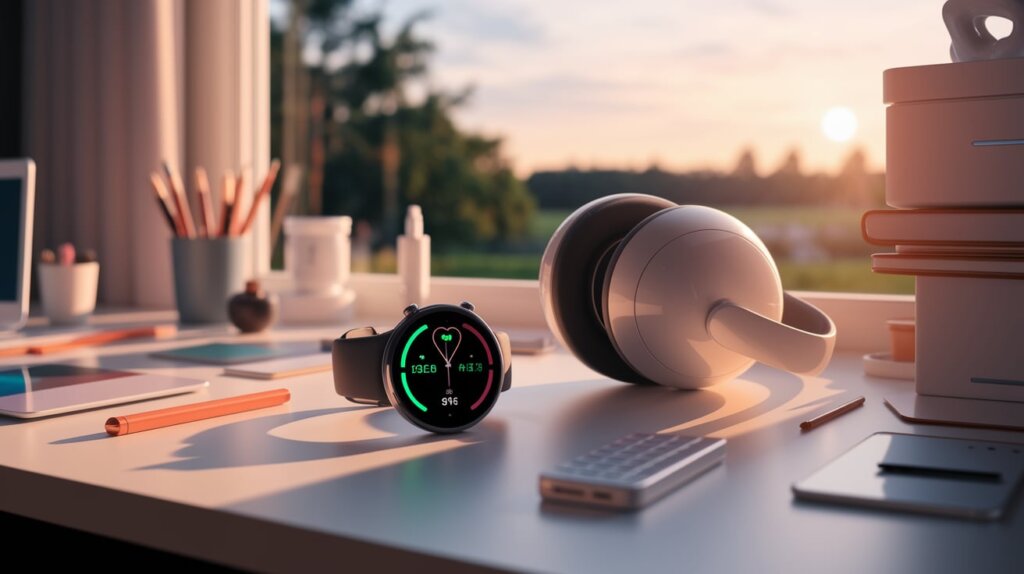
Sleep plays a major role here as well. The Whoop 5.0 includes advanced sleep performance insights that guide users on how to improve sleep quality, which ties directly into better stress management. If precision and recovery-based tools are your top priority, Whoop delivers exactly that.
Muse S (Generation 3)
The Muse S (Gen 3) stands apart with a unique focus on EEG (electroencephalogram) tracking, making it one of the most specialized devices for stress and mental health in 2025. This wearable pairs brainwave tracking with real-time coaching, helping users achieve deep relaxation and manage high-pressure situations effectively.
A notable feature is its sleep-focused design, offering guided meditations and soundscapes that adapt based on real-time brainwave activity. Imagine wearing a device that can sense when your mind races before bed and automatically shift gears to help you relax—it’s like having a personal sleep therapist on hand.
For stress, the Muse S excels with its neurofeedback technology, which analyzes brain activity to guide you toward calmness. Whether you’re meditating, winding down after a long day, or just trying to center yourself, this device keeps you aligned with your mental wellness goals.
Muse S isn’t for everyone; its niche features lean heavily on mindfulness and relaxation rather than everyday wearability. But if brainwave tracking intrigues you, it’s one of the most advanced options available this year.
These wearables are paving the way for more accessible mental health care in 2025. Each one offers unique tools for stress management, whether you prefer real-time coaching, mindfulness exercises, or in-depth analytics.
Be advised: Portions of this article may have been generated with the assistance of AI. However, the overarching theme, sentiment, editing, ideas, and thoughtful reflection were carefully crafted by humans who are deeply invested in the content. Also, this post may contain affiliate links, which means I may earn a small commission if you make a purchase through my links—at no extra cost to you. I only recommend products or services I genuinely love and believe in. Your support helps keep this content free and allows me to continue sharing helpful tips and recommendations. Thank you for trusting me! 💛 Last, but not least, please remember that the content provided is for informational purposes only and is not a substitute for professional medical or mental health advice. Always consult with a qualified healthcare provider before implementing any strategies or options mentioned.
